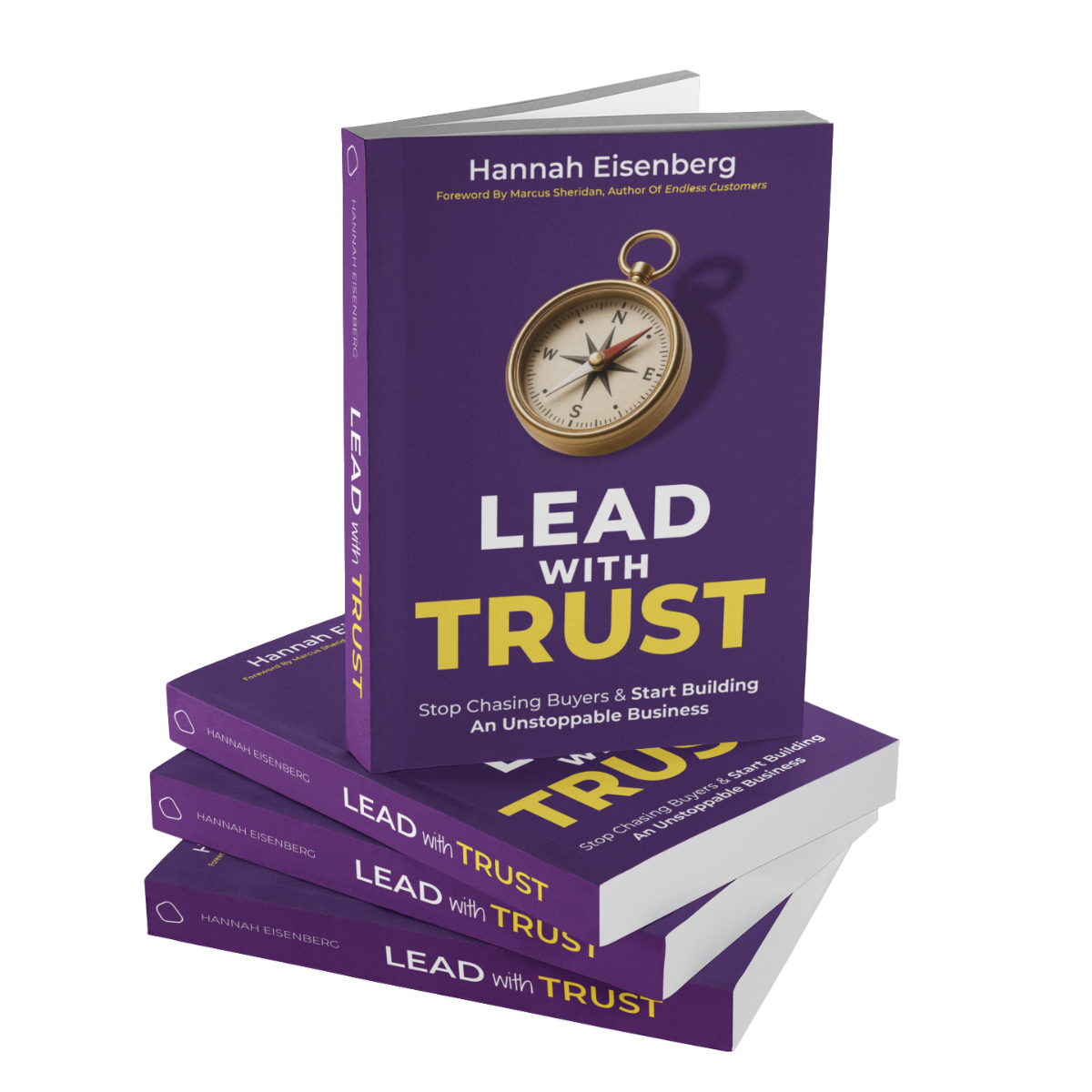
The TrustLeaderTM Framework is a step-by-step methodology for businesses to systematically and intentionally build trust
- By effectively communicating their competence, reliability, and integrity to build cognitive, fact-based trust,
- Then deepening that trust into relationship-based, emotional trust by behaving with empathy, respect, and benevolence, and
- Finally, leading with shared values, customer empowerment, and ethical disruption to transform the trust into "unshakeable" trust.

It consists of three main layers:
- Fundamental Trust (Competency, Reliability, and Integrity). In this layer, you build the cognitive, fact-based trust required for an initial or a one-time purchase or transaction. This is the fundamental trust that, without which, any business relationship would be impossible.
- Relational Trust (Empathy, Respect, and Benevolence). Here, you deepen the fact-based trust you built and turn it into emotional, relationship-based trust. This enables long-term customer loyalty, retention, etc.
- Transformational Trust (Shared Values, Customer Empowerment, and Ethical Disruption). Finally, in the last phase, you transform that emotional trust into so-called unshakable trust. You are not building an audience, you are building a movement or a tribe. Your customers feel such a bond with you that they speak up for you and give you the benefit of the doubt. Your business can weather almost any crisis and is resilient in economic and political turmoil. If someone is looking to trust their high-stakes project to someone, it is you, and they are willing to pay a premium to work with you.
To implement the framework and build trust systematically and intentionally, you start at foundational trust and work your way through each phase. There are three trust maturity layers:
1. Emerging. This is where more than 90% of businesses operate today. Trust is not systematically or intentionally built but rather hoped for as a result or by-product of good marketing and customer experiences. Marketing and sales feel hard because trust has to be rebuilt from scratch constantly.
2. Expected. Once you implement the TrustLeader Framework correctly, you will meet your customers' expectations for how you communicate, behave, and lead with trust. This is the first maturity jump. All businesses have the potential to reach this level. The payoffs are immense: you are seen as the go-to expert in your field, buyers and customers feel you truly understand them and have their best interest at heart, and they know you drive positive change within the market to create better market conditions. You stand above the rest of the market because your messaging is crystal clear, and they trust you more than most other vendors. This results in more high-quality leads, faster sales cycles, higher customer retention, and increased revenue and profit.
3. Industry-Leading. About 10-15% of companies (e.g., founder-led companies with high-integrity leaders) have the potential to achieve true trust-based market leadership. Once you have the first maturity jump in place, you achieve the second (more advanced) maturity jump by running through the framework again - but on a much higher level. Now, you are exceeding customer expectations. You are now writing the rules others will follow. You create industry standards and set the bar for everyone else. You disrupt the market to create extraordinary customer experiences and fair market conditions. You are now building an Unstoppable Business.
Excited? Let's go through each phase in detail.
Before we can trust any brand, company, product, or service, we as buyers must believe that what we are buying will meet our expectations or perform as we expect. Essentially, we have to be able to answer the question “Am I getting what I am paying for?” or “Is this worth it?” sufficiently before making a purchase. This is the minimum baseline we have to meet for a transaction to occur.
Consequently, at the first level, we need to build a rational, stable foundation for cognitive trust grounded in facts. They are essential for establishing initial credibility, showing consistency, and laying the groundwork for a genuine relationship.

These tenets are:
Competence
Trust in business often starts with competence. Buyers trust a brand or individual when they demonstrate the expertise to deliver on promises. Competence reassures buyers that expectations will be met. Simply put, trust cannot be built without competence.
Reliability
Reliability builds on competence by demonstrating the consistent application of skills and expertise. It shows a track record of delivering on promises, creating predictability, and reassuring buyers that their trust is well-placed.
Integrity
Integrity ensures that the brand or person’s actions align with ethical principles, establishing moral soundness. When combined with competence and reliability, integrity strengthens the buyer’s perception that the brand will act in good faith and deliver.
These steps are the fundamental cornerstones because they must be addressed before pursuing anything else. Skipping these is not an option if you are looking for long-lasting success. Can you sell a super-comfy blanket onesie by creating a viral social media campaign leading to a long-form sales squeeze page with tons of social proof? Sure. But these foundational cornerstones must be strong, deeply embedded, and unmovable for long-lasting business success, especially in B2B or with any considered purchase. Anything else is like building a skyscraper on sand — it will eventually collapse.
Why It Works
Establishing trust at this level lays the groundwork for deeper, long-term trust that evolves into mutually beneficial relationships. However, this basic level of trust is often sufficient in low-risk scenarios (e.g., cautious trust), such as one-time, low-value purchases or commoditized markets. In these cases, buyers need reassurance that the product will perform as expected.
Even then, when faced with equally competent options — like choosing between mid-range washing machines — integrity and transparency become the deciding factors. These elements determine the message's trustworthiness and ultimately guide the final purchase decision.
The Prerequisite: Complete Transparency
You cannot build trust by being competent and reliable while acting with integrity alone. It isn’t enough to DO or BE these things; we must communicate them effectively. Therefore, the underpinning principle or prerequisite for this level is complete transparency. This requires us to be completely transparent, sharing unbiased, accurate, and precise information, even when it means sharing unfavorable or uncomfortable information.
The Result: Customer Education (Level 1)
As you mature to the expected level in Foundational Trust, your transparency, competence, reliability, and integrity position you as the most credible source of truth in your market. Buyers feel informed rather than pressured, sales cycles shorten, and you earn early authority simply by educating better and answering questions more honestly than anyone else. This establishes trust equilibrium and removes the information deficit that once held buyers back.
The Result: Market Authority (Level 2)
At the industry-leading level, your mastery of transparency and education reshapes buyer expectations across your category. You become the default authority—the brand customers consult first and trust most. Competitors recognize your influence, and your insights begin shaping the broader conversation in your industry
In the second level of the TrustLeader Framework, we are now deepening the cognitive trust we have just built to build emotional or relational trust. This helps us build more in-depth and longer-lasting relationships.
Essentially, we are answering the questions: Does this company understand how I feel? Do they respect my feelings and perspective, even if they differ from theirs? And do they care about my well-being and want to support me?

Empathy
Having and showing empathy is crucial for building trust. Empathy refers to the ability to understand and share another person’s feelings, specifically in a way that allows you to anticipate their needs and concerns within the relationship. This creates a sense of safety and encourages vulnerability.
Respect
Respecting your buyers and customers shows them that you not only consider and value their thoughts, feelings, and boundaries (building on empathy), but also that you recognize their autonomy and agency within the relationship. Showing respect recognizes that their trust is important to you.
Benevolence
Benevolence in this context refers to a company having genuine goodwill and a desire to support the other person's well-being, even when there is no immediate benefit to oneself. This not only strengthens the trust you build through empathy and respect but also highlights your reliability and integrity by demonstrating a willingness to prioritize your client’s best interest over profit. Benevolence also enhances transparency, as clients perceive the brand’s openness and honesty as rooted in care.
By cultivating empathy, respect, and benevolence, you build strong emotional trust with your customers, buyers, and partners. This leads to increased loyalty, positive word-of-mouth referrals, and ultimately, greater business success.
Why It Works
You probably heard the saying “People want to buy from people, not companies.” This speaks to our most basic needs as human beings to be part of a bigger tribe, to be social, and to feel safe. We want to build relationships with the people we do business with. And for this to happen, we need to feel that the other person understands our needs and wants, respects us for who we are, and has our best interests at heart. If these are genuinely met, a relationship can develop and deeper trust can be built.
The Underpinning Prerequisite: Unapologetic Customer Alignment
Whenever I coach my clients at this level, I stress the importance of being genuine. This is not about manipulating your buyers into feeling or thinking that you feel any of these things, but about developing a culture that empowers your employees to be empathetic, respectful, and to do what is best for the customer. The requirement for this is to have what I call ‘unapologetic customer alignment.’ You truly seek to understand your buyers’ fears, worries, and concerns, you align with your customers ' needs and wants, and you change your business processes and best practices to serve your customers first.
The Result: Customer Advocacy (Level 1)
When you reach the expected maturity level in Relational Trust, your consistent empathy, respect, and benevolence turn emotional trust into active advocacy. Customers feel genuinely cared for and begin championing your brand, speaking up on your behalf, and fueling word-of-mouth momentum. Your reputation becomes rooted in alignment with customer needs and interests.
The Result: Market Influence (Level 2)
At industry-leading maturity, your customer alignment is so strong that you become the voice of the customer within your market. Buyers trust your guidance, your perspectives ethically shape demand, and your behaviors influence how the entire industry treats customers. You’re not just respected—you actively shape buying behavior and the norms that govern your space
In the third level of the TrustLeader Framework, we are no longer just deepening trust — we are transforming it. At this stage, you move beyond meeting expectations and begin shaping them. You overcome what the manuscript calls the perceived power deficit in the buyer–seller relationship, and you turn deep emotional trust into unshakable trust: trust that is resilient, future-proof, and forms the foundation for true market leadership.
Essentially, you are answering these questions for your buyers: Does this company share my values? Do they empower me? And will they do the right thing for me and the market — even when it is hard or inconvenient?

Shared Values
Shared values are the principles or beliefs that you and your buyers hold in common. When buyers recognize their own priorities reflected in your brand, it creates deep resonance — they “see themselves” in you. This alignment accelerates trust because buyers naturally place more confidence in companies whose worldview mirrors their own. Shared values become the foundation for strong partnership-based relationships, not just transactional ones.
Customer Empowerment
To overcome the power imbalance in most buyer–vendor relationships, you must give your customers real agency. Empowerment means co-creating, collaborating, and involving customers in meaningful ways — through self-service tools, transparent configuration and pricing, open Q&As, customer advisory panels, and more. Empowered customers feel in control, respected, and confident. When you hand them the steering wheel, trust deepens dramatically, and loyalty strengthens.
Ethical Disruption
Ethical disruption is the most courageous of the Transformational Trust cornerstones. It means challenging and rewriting outdated, unfair, or self-serving industry norms — not for attention, but because it’s the right thing to do. Ethical disruption requires unwavering ethical conviction, a principle central to this phase of the framework. This is not disruption for disruption’s sake. It is principled leadership that prioritizes customer well-being and elevates the standards of an entire industry. When done correctly, customers instantly recognize the authenticity behind your actions and follow your lead.
By cultivating shared values, customer empowerment, and ethical disruption, you transform trust — for good.
This phase doesn’t just strengthen relationships. It reshapes how customers, competitors, and the broader market perceive you. You stop being “a vendor” and become a partner, a collaborator, and ultimately a leader who sets new expectations in your category.
The result is Trust-Based Market Leadership: your brand becomes the compass others look to for direction.
Why It Works
Buyers enter every relationship with an inherent power imbalance. They cannot fully evaluate risk or foresee outcomes, and this asymmetry often leads to hesitation or distrust. Transformational Trust resolves this by realigning the power dynamic.
When you share values with your customers, empower them to participate, and boldly advocate for their best interests (even when it goes against industry norms), you remove fear, uncertainty, and dependency from the buying process.
Customers follow leaders who:
-
Stand for something,
-
Give them control, and
-
Change systems that no longer serve them.
Once this happens, your company becomes not only trustworthy but trust-shaping. The market sees you as the voice of the customer and the ethical standard-bearer for your industry.
The Underpinning Prerequisite: Unwavering Ethical Conviction
Just as Relational Trust requires unapologetic customer alignment, Transformational Trust requires unwavering ethical conviction. This is the backbone of the entire phase. Without it, shared values are just marketing language, empowerment becomes a tactic, and disruption risks appearing performative.
Ethical conviction ensures that every action — especially the uncomfortable or costly ones — is rooted in doing what is right. It forces internal honesty, cultural integrity, and long-term thinking.
Companies that master this principle change not only their behavior, but their identity.
The Result: Customer Partnership (Level 1)
As you advance through Transformational Trust for the first time, your shared values, customer empowerment, and ethical leadership shift your role from vendor to true partner. Customers collaborate with you, bring you into strategic conversations, and help shape your offerings. This eliminates the perceived power deficit and creates resilient, trust-based relationships where customers want to work with you long-term.
The Result: Market Leadership (Level 2)
When you mature these behaviors to industry-leading levels, you move beyond partnership and achieve trust-based market leadership. You set new ethical standards, influence buyer expectations, and reshape industry norms—your competitors follow your lead, not the other way around. At this stage, trust becomes a defensible advantage that attracts high-quality customers, shapes demand, and positions you as the most trusted brand in your category.
.png?width=200&height=200&name=HannahEisenberg%20(1).png)

The Trust Seesaw: A Practical Guide To Moving From Distrust To Unshakable Trust
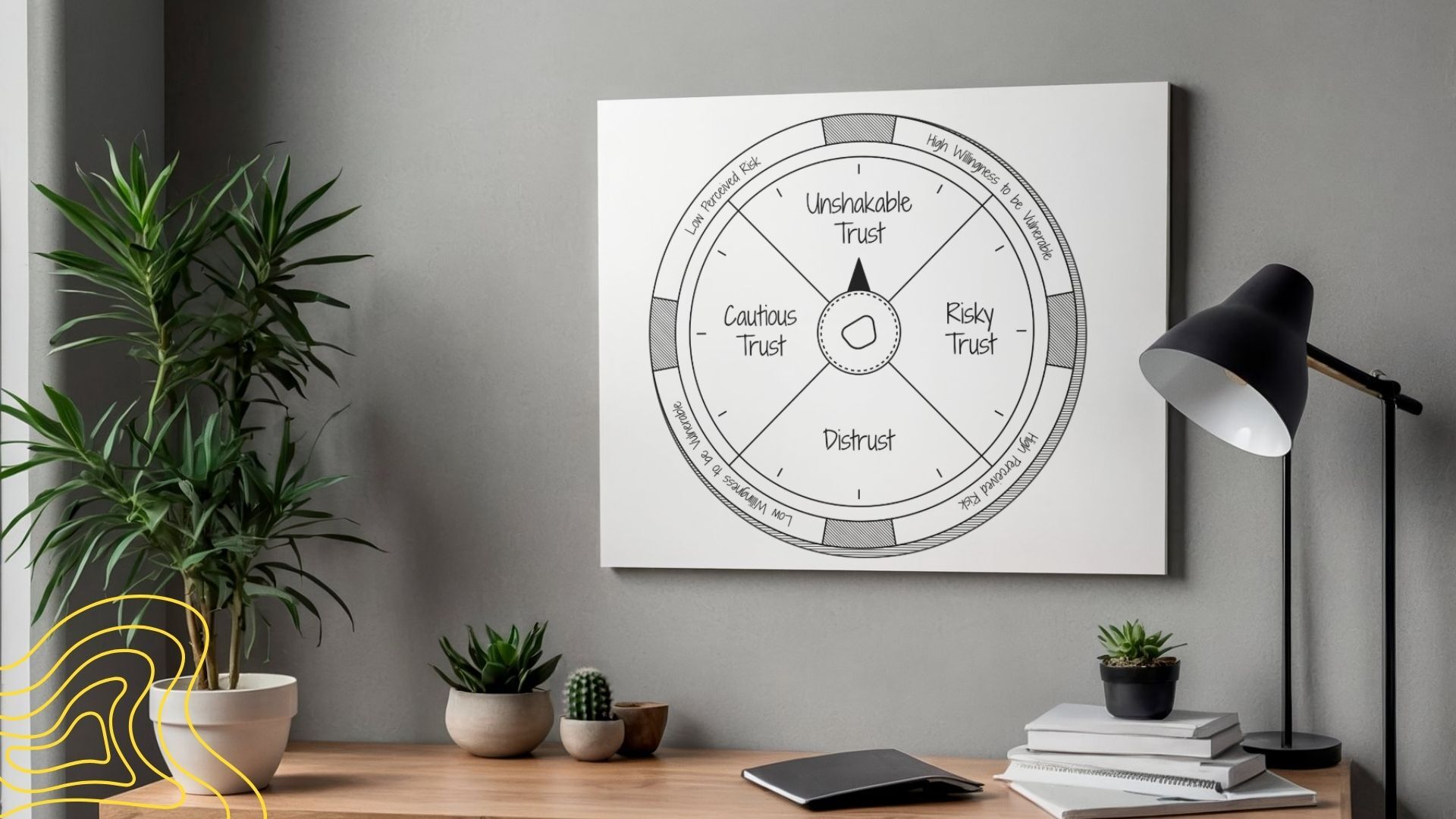
What Is Trust in Business? A Practical Definition And The Compass Every B2B Leader Should Use